Why I’m Building Marin Power
I believe people want to help when they’re given a clear opportunity and a practical way to do it. I learned that first as someone who needed help.
I Know What It Means to Be Vulnerable
Years ago, I lost my home to a fire while severely disabled. I couldn’t walk or prepare food for myself. To get out of the shower, I had to crawl and roll onto my back to dry off. 2 months later while a solar array was being installed my home it caught on fire and was destroyed. Long story short I became homeless and almost lost my right leg.
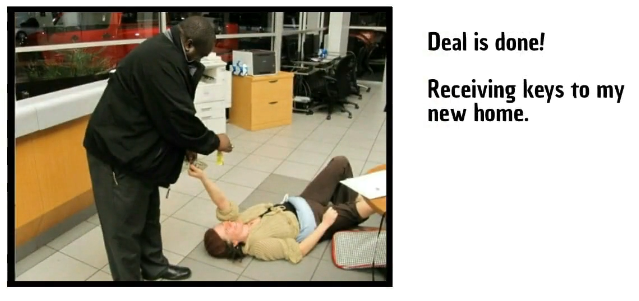
I had believed the systems around me, insurance and our legal system, would be there when I needed them. They really weren’t. Recovery showed me how hard it can be when help doesn’t serve people in the way they need.
I began asking: What can survivors learn from one another—and how can we help prevent devastating losses in the first place?
When Neighbors Connect the Resources
During the 2015 Valley Fire, I offered my truck to move supplies. Soon, I was calling shelters and helping coordinate donations. I also joined the effort to reunite thousands of displaced animals with their families.
Families were searching dozens of social media sites for their pets. The county shelter could report only animals in its care, and its system couldn’t include photos. My neighbors and I created and shared database with picture functionality. Picture functionality was critical for timely identification and allowed individuals, veterinarians and other interested parties in any location to interact for reunification of animals with their families. It gave everyone one place to search, reduced survivor stress and helped many animals return home.
After the fire, a longtime friend started matching donated and loaned RVs with people who had lost their homes. I joined the effort, helped identify people who needed them, and met with the Board of Supervisors and other county leaders frequently to explore ways for people to return and start over.
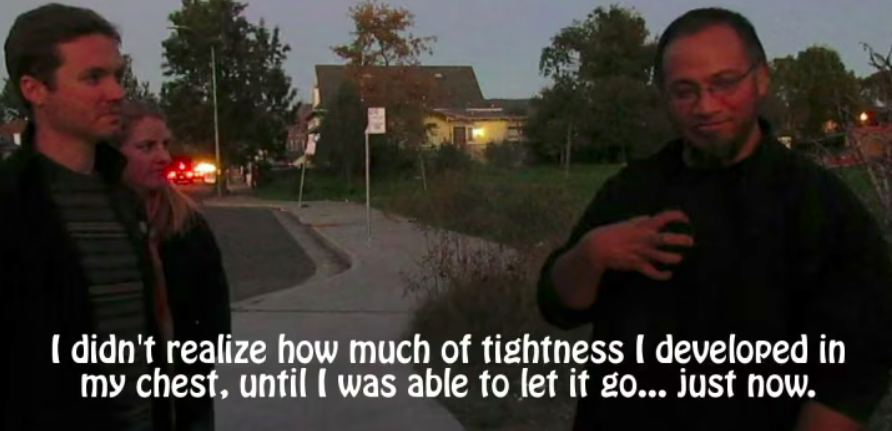
One man had lost his home, job, car, and cat in a single day. After two months of living in a donated car, a donated RV gave him a place to stay and let him return to work as a security guard. When the owners handed him the keys and title, he said:
 (I will share a video soon of an insider disaster volunteer experience attending many Board of Supervisors meetings after the fire storm and what RV donations mean for fire survivors like him.)
In 2017, after the fires in Santa Rosa and Mendocino, we donated an RV to a family with triplets who had lost their home. Both parents worked full time but couldn’t find an affordable rental; they were told they needed a three-bedroom home because of their family’s size, which they couldn’t afford, especially with elevated prices after the fires. They parked their newly donated RV at the grandparents’ home, making childcare possible while they worked to rebuild their lives.
Sometimes people aren’t lacking determination. They’re missing the one resource that could help them move forward—and that resource may be sitting in someone else’s driveway.
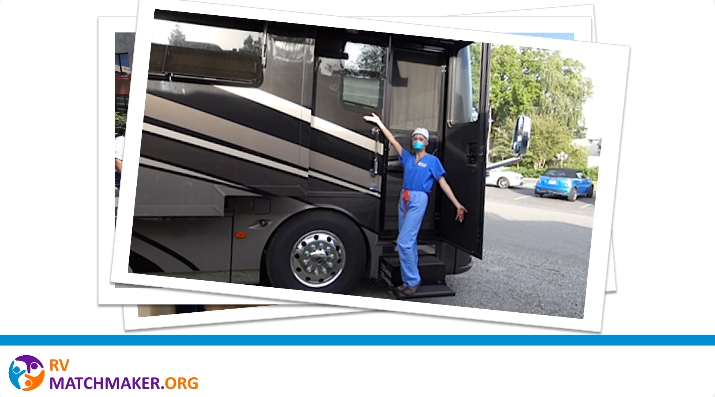
During COVID, the RV matchmaking effort resumed in a different context to provide frontline healthcare workers with a safe place to isolate from their families.
Different crisis, same principle: see the gap, find the resource, connect it to the need.
The Spark Behind Marin Power
Marin already has electric vehicles, some with batteries that can provide power outside the vehicle. Marin also has homes vulnerable to flooding, many with pumps that may stop working when the grid goes down.
The resource is here. The need is here. We just need to connect the two.
That became Marin Power: a community effort to explore how shared EV power can help keep homes stable during floods and power outages.
Share Your Spark
I’m not asking EV owners to give up their vehicles or become emergency responders. I’m asking whether people might share a little of what they already have when it could help a neighbor.
An EV owner might share power. A business might sponsor equipment. A volunteer might give a few hours, offer expertise, or make an introduction. The contribution doesn’t have to be enormous. It just has to be useful.
I’ve received extraordinary kindness from others. One meaningful way to honor a gift is to pass it on: someone helps you, you help someone else, and the goodness keeps moving. That’s a gift of gratitude.
A Community Resource for the Future
I hope Marin Power grows beyond its founder into a lasting community resource—supported by equipment, volunteers, partnerships, and shared knowledge.
I’ve seen what happens when people share what they have: a lost animal finds its family; someone who has lost almost everything gets the chance to move forward. Sometimes the difference is an RV. Sometimes it’s a phone call, a few hours, or an electric vehicle sitting in a driveway.
The resource is already here. The need is already here. Let’s connect the two.
This Idea Can Endure and Should
Someday, it might be stewarded by a public agency, community organization, or other long-term partner. I don’t want Marin Power to depend on me forever because I want this community resource to last beyond my lifetime.
Ideas like this can be hard to get started within established systems. Public agencies have important responsibilities for accountability, fairness, and long-term planning, but those processes can make it difficult to try something new quickly—especially during a crisis. And a project like this can create real public value without generating enough revenue to sustain itself as a business.
As a citizen, I have more freedom to bring people together, connect resources, and test an idea on a small scale than government and other public entities does. Marin Power can learn what works on small scale and build practical experience before asking a larger organization to take it on. If the model proves useful, a public agency or community partner may be better positioned to support it for the long term.
Marin Power isn’t a substitute for emergency planning resources or for taking steps to prepare your own home. It’s an added layer of community resilience, with the potential to reduce flood damage—and the displacement and disruption that can affect lives for years.
I’ve seen what happens when people share what they have: a lost animal finds its family; someone who has lost almost everything gets a chance to move forward. Sometimes the difference is an RV, a phone call, a few hours of someone’s time—or an electric vehicle sitting in a driveway.
That’s how a spark becomes something bigger than the person who first struck the match.
To conclude, here’s another video of an RV donation. This holiday season is bringing many challenges for me personally. I love revisiting this video… It makes me happy and gets me into the holiday vibe!